

 English


Blog

2026-07-10 22:12:16
Aluminium surface scratches during the drawing process are usually caused by insufficient lubrication, improper die conditions, material impurities, or unstable processing parameters. Using suitable Aluminium Drawing Oil can help reduce friction between aluminium materials and drawing dies, improve surface smoothness, and support consistent drawing performance. Selecting the right lubricant, maintaining proper oil conditions, and optimizing the drawing process are important steps to prevent surface defects and improve aluminium product quality.
Surface scratches are a common issue in aluminium wire and profile drawing applications. During the drawing process, aluminium materials pass through dies under high pressure. The continuous contact between the aluminium surface and the die creates friction and heat. Without proper lubrication, the surface may experience scratches, marks, or uneven finishes.
One major cause is insufficient lubrication. When the lubricant film between the aluminium material and the die is too thin, direct contact increases friction, which can damage the aluminium surface. A suitable Aluminium Wire Drawing Oil creates a protective layer that helps reduce friction and supports smoother material movement through the die.
Another factor is contamination. Dust, metal particles, oxidation residues, or foreign materials inside the production system may attach to the aluminium surface and cause scratches during drawing. Regular cleaning of equipment and proper filtration of lubricants can help reduce these problems.
Die condition also plays an important role. Worn or damaged dies may have rough surfaces that directly affect aluminium appearance. Regular inspection and replacement of drawing dies can help maintain stable production results.
The main function of Aluminium Drawing Oil is to provide lubrication during the drawing process. It reduces friction between aluminium materials and drawing tools, helping minimize surface damage caused by metal-to-metal contact.
A suitable drawing oil should provide good lubricating performance, thermal stability, and compatibility with aluminium materials. During high-speed drawing operations, the lubricant needs to maintain a stable oil film even under pressure and temperature changes.
For different aluminium applications, choosing the correct lubricant type is important. For example, Aluminum Drawing Oil designed for aluminium wire production can provide lubrication support for continuous drawing operations, while specialized formulations may be required for different aluminium alloys or processing conditions.
In aluminium wire manufacturing, Aluminium Wire Drawing Oil helps improve surface finish, reduce die wear, and maintain consistent product appearance. It also supports smoother production by controlling heat generated during the drawing process.
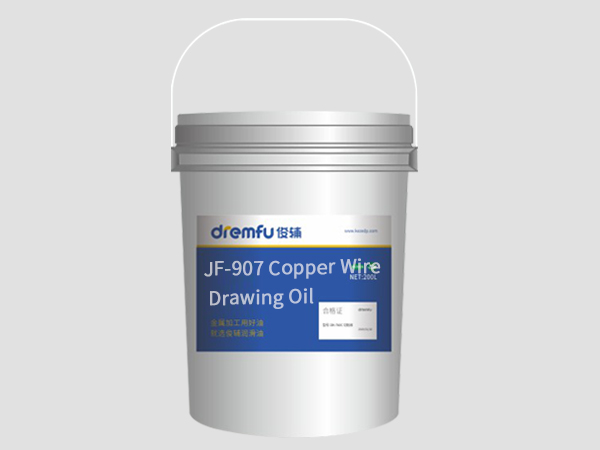
Selecting an appropriate Aluminum Wire Drawing Lubricant requires consideration of several factors, including aluminium alloy type, drawing speed, die material, production environment, and required surface quality.
Different aluminium materials have different processing characteristics. Some alloys may require lubricants with stronger cooling performance, while others may need improved lubrication properties to avoid surface marks.
The viscosity of the lubricant should also match the drawing process. If the oil is too thin, it may not provide enough protection between the material and die. If the oil is too thick, it may affect production efficiency and cleaning processes.
Manufacturers should also consider whether the lubricant can maintain stable performance during long production cycles. A suitable drawing oil can help reduce maintenance frequency and improve production consistency.
Besides using the correct lubricant, several production practices can help prevent scratches:
Keeping machines, dies, and lubrication systems clean helps prevent contaminants from damaging aluminium surfaces. Regular cleaning and filtration can improve drawing stability.
Damaged or worn dies are one of the common reasons for surface scratches. Regular inspection helps identify problems before they affect large-scale production.
Excessive drawing speed or pressure can increase friction and heat. Adjusting production parameters according to material characteristics can help maintain better surface quality.
Overused or contaminated lubricant may lose its performance. Checking oil condition and replacing or filtering the lubricant when necessary can support stable processing.
Surface quality is an important factor in aluminium wire, tube, and profile manufacturing. Scratches not only affect appearance but may also influence further processing and product performance.
Using suitable Aluminium Drawing Oil and maintaining optimized production conditions can help manufacturers achieve smoother aluminium surfaces and more stable drawing results. Whether using Aluminum Drawing Oil for general aluminium processing or Aluminum Wire Drawing Lubricant for wire production, the correct lubricant selection plays an important role in reducing friction, protecting drawing tools, and improving manufacturing efficiency.
For companies involved in aluminium processing, choosing a reliable aluminium drawing lubricant supplier and matching the lubricant with specific production requirements can help solve surface quality issues and support long-term production needs.

Dongguan Keze New Materials Co., Ltd. is a private science and technology enterprise integrating independent research and development, production, sales and service.
Tel: +86 0769 8535 4390
WhatsApp: +86 18929174881
Address: Building 18, Lot 2, Wanyang Zongchuang City, Wengyuan,Shaoguan City, Guangdong Province, China
Copyright © 2026 Dongguan Keze New Materials Co., Ltd. All rights reserved.