

 English


Blog

2026-07-24 21:41:38
Stainless Steel Cutting Oil prevents overheating during cutting by reducing friction, improving heat dissipation, and creating a protective lubrication layer between the cutting tool and stainless steel workpiece. During machining, stainless steel produces high cutting temperatures because of its strength and low thermal conductivity. A suitable Cutting Oil for Stainless Steel helps remove heat from the cutting zone, reduces thermal stress on tools, and maintains stable machining conditions. Using the right Stainless Steel Cutting Fluid allows manufacturers to control temperature, improve tool performance, and achieve better machining results during turning, milling, drilling, and other metalworking processes.
Stainless steel is known for its strength, durability, and corrosion resistance, but these properties also create challenges during machining.
Compared with some other metals, stainless steel has lower thermal conductivity. This means heat generated during cutting is not easily transferred away from the machining area. Instead, a large amount of heat remains concentrated around the cutting edge and workpiece surface.
High cutting temperatures can lead to several problems, including faster cutting tool wear, reduced tool hardness, poor surface finish, and machining accuracy issues.
For this reason, using proper Stainless Steel Cutting Oil is important for controlling heat during stainless steel machining operations.
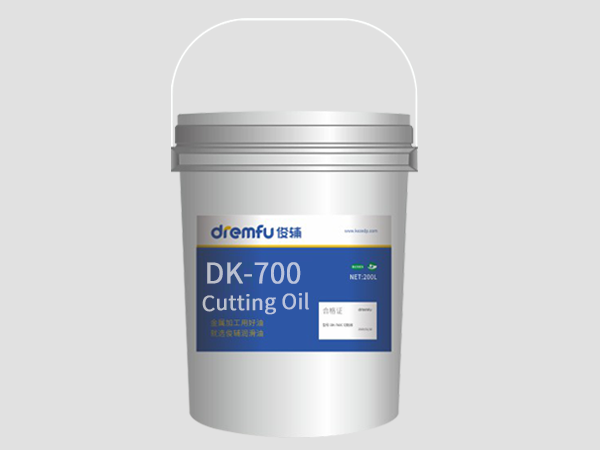
The main way Stainless Steel Cutting Oil helps prevent overheating is by reducing friction.
During cutting operations, the tool directly contacts the stainless steel surface under high pressure. Without sufficient lubrication, friction increases rapidly and generates additional heat in the cutting area.
A high-quality Stainless Steel Cutting Fluid creates a lubricating film between the cutting tool and material. This protective layer reduces direct contact, lowers friction resistance, and helps maintain a more stable cutting environment.
For CNC machining applications, proper lubrication allows cutting tools to operate smoothly and reduces unnecessary heat generation during continuous processing.
Besides reducing friction, Cutting Oil for Stainless Steel also plays an important role in heat removal during machining.
During the cutting process, the cutting oil flows into the machining area and absorbs heat generated by the cutting action. The heated fluid then transfers this heat away from the tool and workpiece surface.
This cooling effect is especially useful for high-speed CNC machining, continuous production operations, deep drilling processes, and heavy cutting applications.
Effective heat dissipation helps maintain stable cutting temperatures and reduces the impact of thermal stress on machining equipment and components.
Excessive heat is one of the common causes of premature cutting tool failure.
When machining temperatures become too high, cutting tools may lose their original hardness and cutting ability. This can result in faster tool wear, increased downtime, and higher production costs.
Using suitable Stainless Steel Cutting Oil helps maintain a balanced temperature around the cutting edge. The lubrication layer reduces thermal impact and supports longer tool performance during machining operations.
For manufacturers processing stainless steel parts in large quantities, effective temperature management is an important factor in maintaining production stability.
Overheating does not only affect cutting tools but may also influence the quality of finished stainless steel components.
Excessive heat during machining may cause surface discoloration, dimensional changes, or inconsistent finishing results. These issues can increase additional processing requirements and affect production efficiency.
A suitable Stainless Steel Cutting Fluid helps maintain consistent cutting temperatures, allowing manufacturers to achieve better surface quality and machining accuracy.
Different stainless steel grades and machining processes require different cutting oil characteristics. Selecting the correct Cutting Oil for Stainless Steel depends on the specific production environment and machining requirements.
Important factors to consider include:
• Stainless steel material grade
• Cutting speed and feed rate
• Machine type and processing method
• Cutting tool material
• Cooling and lubrication requirements
• Production conditions
For example, heavy machining operations may require stronger lubrication performance, while precision machining applications may focus more on surface protection and machining stability.
Effective temperature control through Stainless Steel Cutting Oil can provide several benefits for metal processing manufacturers, including:
• Improved cutting tool durability
• More stable machining performance
• Better surface finish quality
• Reduced production interruptions
• Consistent processing results
For modern CNC machining facilities, choosing a suitable cutting fluid is an important part of improving machining processes and maintaining product consistency.
Stainless Steel Cutting Oil prevents overheating by reducing friction, improving heat transfer, and protecting cutting tools during machining. Because stainless steel generates significant heat during cutting operations, selecting the right Stainless Steel Cutting Fluid is essential for maintaining stable production conditions. Whether used for turning, milling, drilling, or other metalworking processes, high-quality Cutting Oil for Stainless Steel helps manufacturers improve machining performance, extend tool service life, and achieve consistent processing quality.

Dongguan Keze New Materials Co., Ltd. is a private science and technology enterprise integrating independent research and development, production, sales and service.
Copyright © 2026 Dongguan Keze New Materials Co., Ltd. All rights reserved.