

 English


Blog

2025-12-27 16:05:16
Leather edge finishing plays a critical role in determining the overall quality,durability,and appearance of leather goods.Whether it is a handmade wallet,a luxury handbag,or an industrially produced leather belt,the treatment of the edge often distinguishes premium products from ordinary ones.Among the many materials used for edge finishing,edging oil has gained increasing attention.But is edging oil really necessary for leather edge finishing,or is it just an optional enhancement?
To answer this question,it is important to understand what edging oil actually does in the leather finishing process and how it differs from other commonly used solutions such as edge paint or wax.
Leather edges are naturally porous and vulnerable.After cutting or skiving,the fibers along the edge are exposed,making them prone to fraying,moisture absorption,cracking,and discoloration over time.Traditional finishing methods relied heavily on burnishing with water,gum tragacanth,or wax.While these methods still work,they often require significant manual effort and may not deliver consistent results,especially for thicker or vegetable-tanned leather.
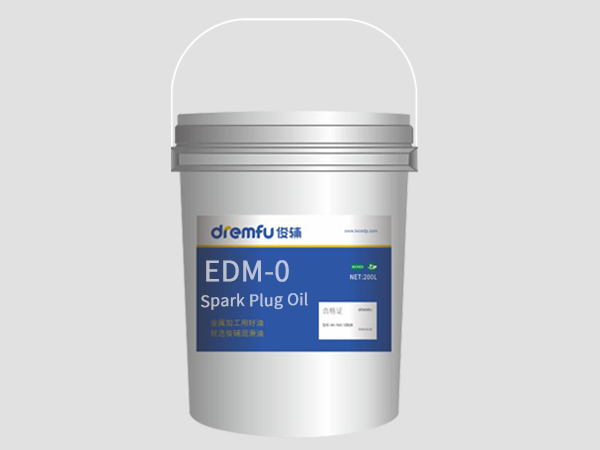
This is where edging oil becomes particularly valuable.Edging oil is designed to penetrate leather fibers,nourishing and binding them together.Unlike surface coatings,edging oil works internally,reinforcing the edge structure while maintaining flexibility.Many manufacturers also refer to edging oil as an edging lubricant because of its ability to reduce friction during burnishing and polishing,making the finishing process smoother and more efficient.
One major advantage of using edging oil is durability.Edges treated with edging oil tend to resist cracking and peeling far better than untreated or poorly finished edges.This is especially important for leather goods that experience frequent bending or friction,such as wallets,watch straps,and handbags.Over time,leather that has not been properly conditioned at the edges may dry out,leading to roughness or separation of fibers.
Another reason edging oil is considered necessary in modern leather finishing is consistency.In both handmade workshops and industrial production lines,consistency is key.Edging oil helps stabilize the edge surface before additional steps such as edge paint application or final polishing.When used correctly,it allows edge paint to adhere more evenly and reduces the risk of bubbles,uneven thickness,or premature peeling.
Some leather artisans question whether edging oil is still needed when using high-quality edge paint.The reality is that edge paint and edging oil serve different purposes.Edge paint provides color and a protective outer layer,while edging oil conditions and prepares the leather beneath.Skipping edging oil may save time in the short term,but it often compromises long-term performance,particularly in climates with fluctuating humidity.
It is also worth mentioning that edging oil is not limited to professional leather workshops.Many hobbyists and small-scale craftsmen use edging massage oil formulations to improve the tactile feel of leather edges.Although the term edging massage oil may sound unconventional in industrial contexts,it is commonly used to describe softer oil blends that enhance smoothness during hand-finishing.These oils help create a rounded,polished edge that feels comfortable to the touch,which is especially important for consumer-facing products.
Environmental considerations are another factor driving the adoption of edging oil.Modern formulations increasingly focus on low-VOC,non-toxic ingredients.Compared to solvent-heavy alternatives,edging oil offers a more eco-friendly option without sacrificing performance.For export-oriented leather goods manufacturers,this can be a significant advantage when meeting international compliance standards.
In practical application,edging oil is usually applied after initial edge sanding and before final burnishing or painting.The oil penetrates the leather,allowing fibers to compress and bond more effectively.This results in a smoother edge that requires fewer finishing passes,saving labor time while improving quality.
So,is edging oil necessary for leather edge finishing?While it may not be absolutely mandatory in every scenario,it has become an essential component for anyone aiming to produce durable,professional-grade leather goods.Whether referred to as edging oil,edging lubricant,or edging massage oil,its role in strengthening,smoothing,and protecting leather edges is difficult to replace with alternative methods alone.
For manufacturers focused on long-term product quality,customer satisfaction,and brand reputation,incorporating edging oil into the leather edge finishing process is not just beneficial—it is a strategic choice.

Guangdong Junfu Lubrication Technology Co., Ltd. is a private science and technology enterprise integrating independent research and development, production, sales and service.
Copyright © 2026 Guangdong Junfu Lubrication Technology Co., Ltd. All rights reserved.