

 English


Blog

2026-01-05 18:17:57
Aluminum has become one of the most widely used metals in modern manufacturing due to its lightweight, high strength, and excellent corrosion resistance. From automotive components to aerospace parts, aluminum is an essential material. However, machining aluminum presents unique challenges, and choosing the right lubrication can make the difference between a smooth operation and costly errors. This is where aluminium Cutting Oil for CNC machining plays a critical role.
CNC machining aluminum parts involves processes such as milling, turning, drilling, and tapping. While aluminum is softer than steel, it tends to adhere to cutting tools, causing built-up edges, surface scratches, and premature tool wear. Without the proper use of aluminium machining Cutting Oil, operators may face issues such as poor surface finish, excessive heat generation, and reduced precision. The choice of Cutting Oil is not just a minor detail—it directly affects efficiency, tool life, and overall production quality.
Using Cutting Oil for aluminum parts helps reduce friction between the cutting tool and the workpiece. This friction reduction not only minimizes heat but also prevents aluminum chips from sticking to the tool, which is a common problem in high-speed CNC operations. Excessive heat and built-up edges can compromise dimensional accuracy and lead to more frequent tool replacements. By applying high-quality aluminium cutting oil, machinists can maintain consistent cutting conditions and achieve better tolerances, even in complex geometries.
Another benefit of using aluminium cutting oil for CNC machining is its ability to improve chip evacuation. Aluminum tends to form long, stringy chips during machining, which can wrap around the spindle or clog the cutting zone. A properly formulated aluminium machining cutting oil ensures that chips are carried away efficiently, reducing downtime and preventing damage to both tools and machines. Furthermore, it contributes to a cleaner working environment, reducing the need for constant machine cleaning.
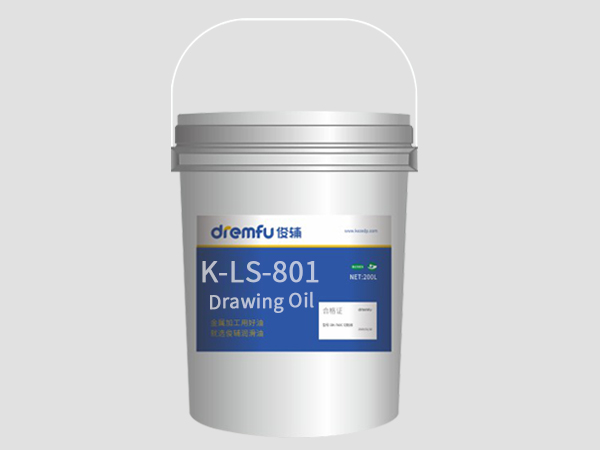
When selecting cutting oil, it is important to consider factors such as viscosity, lubrication properties, and compatibility with aluminum. Many manufacturers prefer water-soluble oils for high-speed operations because they provide excellent cooling while maintaining lubrication. Others may opt for neat oils with additives designed to minimize adhesion and corrosion. Regardless of the type, the main goal is to maintain consistent cutting performance while extending tool life and improving part quality.
In addition to operational benefits, using cutting oil for aluminum parts also affects production costs. Although some may consider skipping lubrication to save money, the long-term consequences include increased tool wear, higher scrap rates, and more frequent machine maintenance. In contrast, investing in quality aluminium cutting oil for CNC machining ensures smoother operations, better surface finishes, and ultimately a higher return on investment.
In conclusion, while aluminum is easier to machine than many metals, CNC operations without proper lubrication are prone to issues such as built-up edges, surface scratches, and reduced tool life. Applying aluminium machining cutting oil or cutting oil for aluminum parts is not merely optional; it is an essential step in achieving precision, efficiency, and long-term cost savings. For manufacturers aiming to maintain high-quality production, choosing the right cutting oil is a small investment that delivers substantial returns.

Guangdong Junfu Lubrication Technology Co., Ltd. is a private science and technology enterprise integrating independent research and development, production, sales and service.
Copyright © 2026 Guangdong Junfu Lubrication Technology Co., Ltd. All rights reserved.