

 English


Blog

2026-01-05 18:19:23
Machining aluminum may seem straightforward due to its softness and lightweight nature,but in reality,working with aluminum presents several unique challenges.Many manufacturers underestimate the importance of proper lubrication,assuming that aluminum can be cut efficiently without oil.However,skipping the use of aluminium cutting oil for CNC machining often leads to a series of problems that affect surface finish,tool life,and production efficiency.Understanding these issues is crucial for any workshop or factory aiming to achieve high-quality results.
One of the most common problems when machining aluminum without proper lubrication is the formation of built-up edges on cutting tools.Aluminum has a tendency to adhere to tool surfaces,especially when the cutting process generates heat.Without aluminium machining Cutting Oil,the friction between the tool and the aluminum workpiece increases,causing metal to stick to the cutting edge.This built-up material changes the geometry of the cutting edge,reduces cutting efficiency,and often results in poor surface finish on the part.Repeated occurrences can also lead to premature tool wear,increasing operational costs and machine downtime.
Another significant issue is the generation of excessive heat during machining.Aluminum has high thermal conductivity,but high-speed CNC operations produce concentrated heat at the cutting zone.Without Cutting Oil for aluminum parts,this heat cannot dissipate effectively,causing dimensional inaccuracies and potential warping of thin or complex components.Heat also accelerates tool wear and can damage cutting inserts,leading to frequent replacements and interruptions in production.Applying high-quality aluminium Cutting Oil for CNC machining acts as both a lubricant and a coolant,reducing friction and maintaining stable temperatures.This helps ensure that components retain their designed dimensions and tolerances.
Chip formation is another challenge that becomes pronounced when machining aluminum dry.Aluminum tends to produce long,stringy chips that can tangle around spindles,fixtures,or workpieces.Without aluminium machining Cutting Oil,these chips are difficult to manage and can interfere with the cutting process.This not only increases the risk of scratches or dents on the aluminum surface but also slows down operations as operators must stop the machine frequently to clear debris.Using cutting oil for aluminum parts improves chip evacuation,keeping the cutting zone clean and enabling continuous,uninterrupted machining.
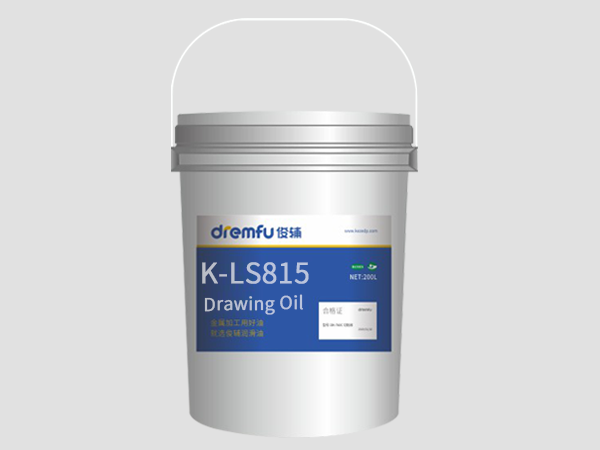
Surface finish is also directly affected by the absence of lubrication.Aluminum is prone to scratching,scoring,and discoloration when machined dry.Even minor imperfections can compromise the aesthetic and functional quality of components,which is especially critical in industries such as aerospace,automotive,and electronics.By using aluminium cutting oil for CNC machining,manufacturers can achieve smoother surfaces,consistent finishes,and higher-quality parts that meet strict client specifications.
In addition to operational and quality issues,machining aluminum without cutting oil has economic implications.The increased tool wear,frequent part rejections,and longer production times result in higher overall costs.Many manufacturers initially skip lubrication to reduce expenses,but in practice,this approach is counterproductive.Investing in effective aluminium machining cutting oil or cutting oil for aluminum parts improves tool longevity,reduces scrap rates,and ultimately lowers the total cost per part.
Furthermore,working without proper cutting oil can compromise worker safety.The heat generated during dry machining can cause burns or increase the risk of fire in extreme cases,while uncontrolled aluminum chips may pose hazards in the workshop.Using aluminium cutting oil for CNC machining not only enhances machining performance but also contributes to a safer and cleaner working environment.
In conclusion,machining aluminum without cutting oil introduces multiple problems,from built-up edges and excessive heat to poor surface finish,chip management issues,and higher production costs.The use of aluminium machining cutting oil and cutting oil for aluminum parts is not merely an option but a necessity for efficient and precise aluminum machining.By choosing the right cutting oil,manufacturers can protect their tools,improve surface quality,enhance operational efficiency,and ensure long-term profitability.For any workshop handling aluminum components,integrating aluminium cutting oil into the CNC process is a critical step toward achieving professional,high-quality results.

Guangdong Junfu Lubrication Technology Co., Ltd. is a private science and technology enterprise integrating independent research and development, production, sales and service.
Copyright © 2026 Guangdong Junfu Lubrication Technology Co., Ltd. All rights reserved.