

 English


Blog

2026-02-04 20:03:03
When manufacturers search for metal working fluids,one of the most common questions they ask is the difference between soluble oil and semi-synthetic metal working fluids.Both are widely used in machining operations such as turning,milling,drilling,and grinding,yet they perform differently depending on the application,material,and production goals.Understanding these differences is critical for improving machining efficiency,tool life,and overall production cost.
Metal working fluids are not just coolants or lubricants.They play a crucial role in heat dissipation,friction reduction,chip evacuation,corrosion protection,and surface finish control.Choosing the wrong type can lead to poor surface quality,excessive tool wear,unstable machining processes,and even health or environmental concerns.
Soluble oil metal working fluids,also known as emulsifiable Cutting Fluids,are traditionally formulated with a high percentage of mineral oil combined with emulsifiers.When mixed with water,they form a milky emulsion that provides good lubrication and moderate cooling performance.Because of their oil-rich nature,soluble oils are especially effective in operations where lubrication is more important than cooling,such as low-speed machining or heavy cutting processes.
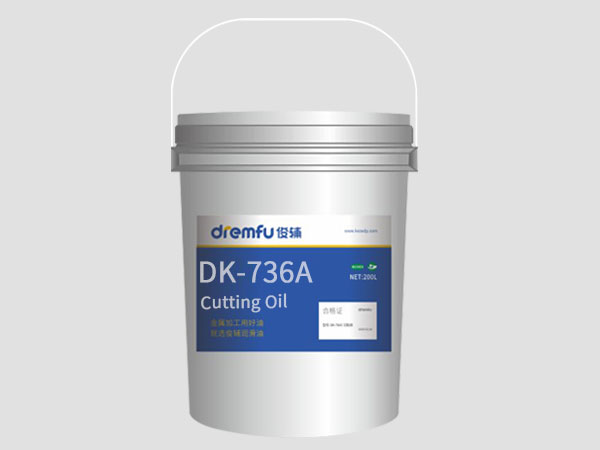
One of the key advantages of soluble oil metal working fluids is their strong lubricity.The oil content helps reduce friction between the cutting tool and the workpiece,which can significantly improve tool life when machining tough materials.In addition,soluble oils tend to offer good rust protection for machine tools and workpieces,making them popular in general machining environments.
However,soluble oil metal working fluids also come with limitations.Their cooling performance is lower compared to fluids with higher water content.In high-speed or high-temperature machining,heat buildup may become an issue.Soluble oils are also more prone to bacterial growth if not properly maintained,which can lead to unpleasant odors,reduced fluid life,and potential health risks for operators.Regular monitoring and maintenance are essential to keep the fluid stable.
Semi-synthetic metal working fluids were developed to balance the benefits of oil-based and fully synthetic fluids.They contain a lower percentage of mineral oil,typically blended with synthetic additives that enhance cooling,lubrication,and cleanliness.When mixed with water,semi-synthetic fluids form a translucent or slightly cloudy solution rather than a fully milky emulsion.
The reduced oil content in semi-synthetic metal working fluids allows for better heat dissipation,making them suitable for higher-speed machining and more demanding CNC applications.At the same time,the presence of some oil still provides sufficient lubrication for most cutting operations.This balance makes semi-synthetic fluids a versatile choice across a wide range of machining processes.
Another important difference lies in fluid cleanliness and maintenance.Semi-synthetic metal working fluids generally produce less residue on machine surfaces,tools,and workpieces.This cleaner operation can reduce downtime for machine cleaning and improve visibility in CNC machining centers.They also tend to have better resistance to bacterial growth compared to traditional soluble oils,extending fluid life and lowering maintenance costs.
From a cost perspective,soluble oil metal working fluids often have a lower initial purchase price.However,when considering long-term factors such as fluid life,maintenance effort,disposal costs,and machine cleanliness,semi-synthetic fluids may offer better overall value.Many manufacturers find that semi-synthetic metal working fluids reduce total operating costs despite a higher upfront price.
Material compatibility is another key factor.Soluble oil metal working fluids are commonly used for carbon steel and cast iron machining where lubrication is critical.Semi-synthetic fluids,on the other hand,perform well across a broader range of materials,including aluminum alloys,stainless steel,and some non-ferrous metals.Their improved cooling capacity helps control thermal deformation and surface finish in precision machining.
In summary,the main difference between soluble oil and semi-synthetic metal working fluids lies in oil content,cooling performance,maintenance requirements,and application range.Soluble oils excel in lubrication-heavy,low-speed operations,while semi-synthetic fluids provide a balanced solution for modern CNC machining environments that demand both cooling efficiency and cleanliness.Understanding these differences allows manufacturers to select metal working fluids that best match their production needs and long-term cost objectives.

Guangdong Junfu Lubrication Technology Co., Ltd. is a private science and technology enterprise integrating independent research and development, production, sales and service.
Copyright © 2026 Guangdong Junfu Lubrication Technology Co., Ltd. All rights reserved.