

 English


Blog

2026-02-07 20:02:02
Choosing the right metal working fluids for CNC machining is a critical decision that directly affects machining accuracy, tool life, surface finish, and production efficiency. With the increasing complexity of CNC equipment and higher expectations for precision and productivity, metal working fluids are no longer a secondary consideration but a core part of the machining process.
CNC machining typically involves high spindle speeds, tight tolerances, and continuous operation. These conditions generate significant heat at the cutting zone, making cooling performance one of the most important functions of metal working fluids. At the same time, adequate lubrication is necessary to minimize friction, reduce tool wear, and prevent built-up edge on cutting tools.
The first factor to consider when selecting metal working fluids for CNC machining is the type of material being machined. Different metals respond differently to heat and friction. Aluminum alloys require fluids that provide excellent cooling and prevent staining, while stainless steel often demands higher lubricity to handle its work-hardening characteristics. A fluid that performs well on one material may not deliver the same results on another.
Machining operations also play a major role in fluid selection. High-speed milling and drilling generally require metal working fluids with strong cooling capabilities to control temperature and maintain dimensional stability. In contrast, tapping or deep-hole drilling may benefit more from enhanced lubrication to reduce torque and prevent tool breakage. Understanding the dominant operations in your CNC process helps narrow down the most suitable fluid type.
Another critical consideration is fluid stability and maintenance. CNC machining centers often run for long periods, making fluid life and consistency extremely important. Metal working fluids that resist bacterial growth, foam formation, and oil separation can significantly reduce maintenance workload and downtime. Stable fluids also help maintain consistent machining performance over time, which is essential for high-volume production.
Cleanliness is often overlooked but has a major impact on CNC machining efficiency. Metal working fluids that leave minimal residue help keep machine interiors, sensors, and tool changers clean. This not only improves machine reliability but also reduces cleaning time and extends maintenance intervals. Semi-synthetic and synthetic metal working fluids are often preferred in CNC environments for this reason.
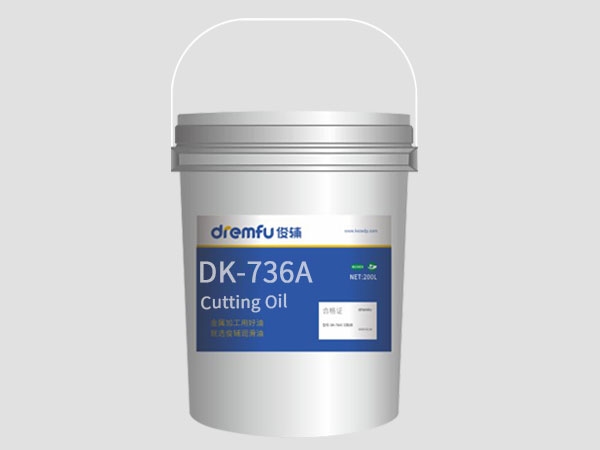
Health and safety considerations should not be ignored when choosing metal working fluids. Operators are exposed to fluid mist and skin contact on a daily basis. Modern CNC machining operations increasingly favor low-odor, low-mist metal working fluids that meet regulatory standards and provide a safer working environment. Fluids with good dermatological compatibility can help reduce operator complaints and absenteeism.
Environmental and regulatory requirements are also influencing fluid selection. Many manufacturers now prioritize metal working fluids that are free from harmful substances and easier to dispose of. Environmentally friendly formulations can help companies comply with local regulations and support sustainability goals without compromising machining performance.
Cost evaluation should go beyond the price per liter. While initial fluid cost is important, the total cost of ownership includes dilution ratio, fluid life, maintenance frequency, tool life improvement, and waste disposal expenses. In many CNC machining operations, higher-quality metal working fluids deliver better overall value by reducing tool consumption and machine downtime.
Finally, supplier support and technical service can make a significant difference. Reliable metal working fluids suppliers offer not only consistent product quality but also application guidance, on-site testing, and troubleshooting support. This partnership approach helps CNC machining operations continuously optimize fluid performance as production demands evolve.
In conclusion, choosing the right metal working fluids for CNC machining requires a comprehensive evaluation of material type, machining process, cooling and lubrication needs, maintenance requirements, health and environmental factors, and long-term cost efficiency. By selecting metal working fluids that align with these criteria, manufacturers can achieve stable machining performance, improved productivity, and higher-quality finished parts.

Guangdong Junfu Lubrication Technology Co., Ltd. is a private science and technology enterprise integrating independent research and development, production, sales and service.
Copyright © 2026 Guangdong Junfu Lubrication Technology Co., Ltd. All rights reserved.