

 English


Blog

2026-02-10 12:02:02
Choosing the right elevator guide Rail Oil is a critical but often underestimated part of elevator design,installation,and long-term maintenance.Different elevator systems operate under very different conditions,including speed,load,environment,and lubrication method.Using an unsuitable guide rail oil can lead to excessive friction,abnormal noise,accelerated wear,and even safety risks over time.
For elevator manufacturers,maintenance companies,and distributors,understanding how elevator guide Rail Oil should be selected for different elevator systems is essential for reliable operation and reduced lifecycle costs.
Understanding the role of elevator guide rail oil in elevator systems
Elevator guide rails are responsible for guiding the movement of the car and counterweight in a stable and precise vertical path.During operation,the guide shoes slide along the guide rails continuously.Without proper lubrication,metal-to-metal contact occurs,increasing friction and wear.
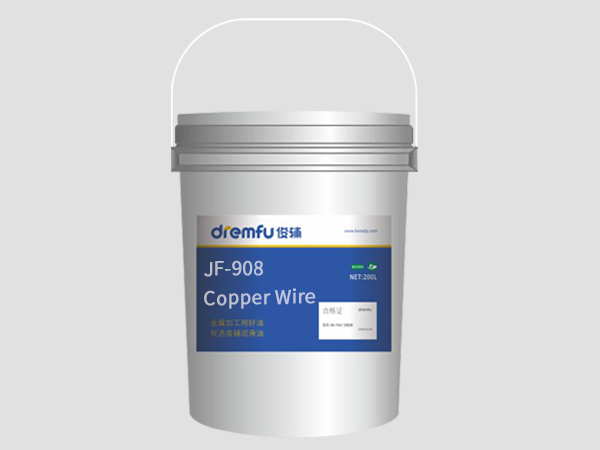
Elevator guide rail oil forms a thin,stable lubricating film between the guide rail and the guide shoe.This film reduces friction,minimizes surface wear,suppresses vibration,and helps maintain smooth and quiet elevator travel.Because different elevator systems operate under different mechanical and environmental conditions,the performance requirements for elevator guide rail oil can vary significantly.
Matching elevator guide rail oil to elevator speed
One of the most important factors when choosing elevator guide rail oil is elevator speed.Low-speed residential elevators and high-speed commercial or high-rise elevators place very different demands on lubrication performance.
For low-speed elevators,especially residential systems,the operating speed is relatively slow and the load is moderate.In these cases,elevator guide rail oil with medium viscosity is usually sufficient.The oil should provide consistent lubrication without excessive dripping,ensuring clean operation and easy maintenance.
High-speed elevators,on the other hand,require much more careful oil selection.At higher speeds,frictional heat increases,and the oil film must remain stable under higher shear stress.Elevator guide rail oil used in high-speed systems typically needs better viscosity stability,stronger adhesion to the rail surface,and improved resistance to oil fling-off.Poor oil selection in high-speed elevators often leads to vibration,noise,or uneven lubrication along the rail.
Considering load and operating frequency
Elevator systems with heavy loads or high operating frequency place continuous stress on guide rails and guide shoes.Freight elevators,hospital elevators,and commercial elevators in busy buildings all fall into this category.
For these systems,elevator guide rail oil must offer strong load-carrying capacity and excellent anti-wear performance.Oils formulated with effective anti-wear additives help maintain a protective film even under repeated start-stop cycles and heavy loads.Choosing a guide rail oil with insufficient load-bearing performance may result in rail scoring and increased maintenance costs over time.
Environmental conditions and temperature range
Environmental conditions play a significant role in elevator guide rail oil selection.Elevators installed in regions with extreme temperatures,high humidity,or dusty environments require oils with specific properties.
In cold climates,elevator guide rail oil must maintain fluidity at low temperatures.Oil that becomes too thick can cause uneven lubrication and increased friction during startup.In hot environments,oxidation resistance becomes more important,as high temperatures accelerate oil degradation.
Humidity and dust also influence oil choice.In dusty environments,elevator guide rail oil should have good adhesion to prevent contaminants from easily sticking to the lubricated surface.At the same time,the oil should not form sticky residues that attract excessive dirt.
Compatibility with lubrication systems
Modern elevators may use manual lubrication,centralized lubrication systems,or automatic oiling devices.The lubrication method directly affects which elevator guide rail oil is suitable.
For manual lubrication,oils with moderate flow and good spreadability are preferred,allowing maintenance personnel to apply oil evenly along the guide rail.For automatic lubrication systems,the oil must flow consistently through pumps,pipes,and nozzles without clogging.In these cases,viscosity stability and cleanliness are critical factors.
Choosing elevator guide rail oil that is incompatible with the lubrication system often leads to uneven oil distribution,wasted lubricant,or lubrication failure.
Material compatibility and surface protection
Guide rails and guide shoes are manufactured from different materials depending on elevator design.Elevator guide rail oil must be compatible with steel rails,composite guide shoes,and polymer components commonly used in modern elevator systems.
High-quality elevator guide rail oil not only lubricates but also protects metal surfaces from corrosion.In environments with moisture or condensation,corrosion protection becomes especially important.Proper oil selection helps extend the service life of guide rails and reduces the need for costly replacements.
Balancing performance and maintenance cost
While high-performance elevator guide rail oil may have a higher initial cost,it often reduces long-term maintenance expenses.Better lubrication means less wear,fewer breakdowns,and longer intervals between servicing.
For elevator system operators,selecting the right elevator guide rail oil should be viewed as a long-term investment rather than a short-term cost-saving decision.A well-matched oil improves operational stability,enhances passenger comfort,and supports overall system reliability.
Choosing a reliable elevator guide rail oil supplier
Beyond technical specifications,the reliability of the supplier also matters.A professional elevator guide rail oil manufacturer can provide consistent product quality,technical support,and customization options based on specific elevator systems.
Suppliers with experience in the elevator industry understand the challenges of different applications and can recommend suitable oil formulations.This expertise helps elevator companies avoid common lubrication issues and optimize system performance.
Final thoughts
Selecting the right elevator guide rail oil for different elevator systems requires a comprehensive understanding of operating conditions,system design,and maintenance practices.By considering factors such as speed,load,environment,lubrication method,and material compatibility,elevator professionals can make informed decisions that improve performance and reduce long-term costs.
A carefully chosen elevator guide rail oil is not just a lubricant—it is a key component in ensuring smooth,safe,and reliable elevator operation.

Guangdong Junfu Lubrication Technology Co., Ltd. is a private science and technology enterprise integrating independent research and development, production, sales and service.
Copyright © 2026 Guangdong Junfu Lubrication Technology Co., Ltd. All rights reserved.