

 English


Blog

2026-08-22 14:44:22
Choosing High Temperature Grease comes down to matching maximum operating temperature and base lubricant type — graphite, molybdenum disulfide, or synthetic — to your actual equipment environment, then confirming the product holds up without dropping, coking, or separating at continuous high heat. Picking a grease rated well below your real operating temperature is the most common and most costly mistake, since failure shows up as bearing wear or seizure rather than an obvious warning sign beforehand.
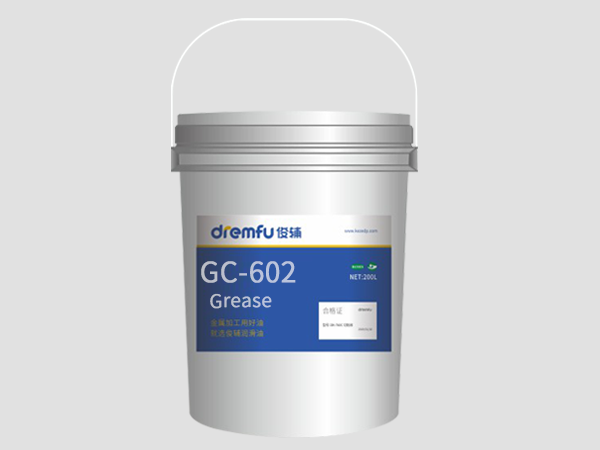
High temperature grease is offered across several temperature tiers: graphite-based formulations commonly rated from -10°C up to 400°C or 600°C depending on the specific product, and molybdenum disulfide-based grease also rated up to around 600°C for the most extreme continuous-heat applications. Standard synthetic High-Temperature Grease covers a lower but still substantial range for less extreme service. Confirm the documented maximum temperature for the exact product version you're ordering — published ratings for the same product family can vary between a manufacturer's category page and individual product documentation, so don't rely on a single source without cross-checking.
Graphite-based High temperature grease and molybdenum disulfide (MoS2) grease both serve extreme-heat, high-load applications, but they're generally suited to somewhat different contact conditions — graphite is commonly favored for high-temperature sliding and general extreme-pressure service, while MoS2 is commonly chosen for heavy-load, low-speed contacts where its solid-film lubrication under pressure is the priority. This is general industry positioning rather than a claim specific to any one product line, so confirm with your supplier which base type fits your actual load and speed conditions rather than choosing by temperature rating alone.
For continuous high-temperature service, look specifically for grease documented as having no dropping point, no coking, and no oil separation at rated temperature — this is what distinguishes a true High-Temperature Grease from a standard grease that simply tolerates occasional heat spikes. A grease that liquefies, cokes, or separates under sustained heat can lead to dry-running bearings or contaminated lubrication points long before the equipment shows an obvious symptom. Ask your supplier for test data supporting this claim at your specific operating temperature, not just at the product's rated maximum.
If your equipment doesn't operate near the extreme end of the range, a standard synthetic high-temperature grease is generally the more cost-effective choice over graphite or MoS2 formulations, and is commonly used in metallurgy, motor, and wind power equipment applications. The tradeoff is a lower maximum continuous operating temperature, so this option only makes sense once you've confirmed your actual equipment temperature — including realistic peak conditions, not just average running temperature — falls comfortably within its rated range.
If your application is specifically a high-temperature chain or a bearing assembly rather than general-purpose lubrication points, look at high temperature chain oil or high temperature bearing grease directly — these product forms are engineered for their specific application's flow and retention needs rather than being a general-purpose grease applied to a specialized part.
What's the documented maximum continuous operating temperature for the exact product version you're ordering?
Does the grease have test data confirming no dropping point, coking, or oil separation at your actual operating temperature?
Does your application's load and speed profile favor a graphite base, an MoS2 base, or a standard synthetic formulation?
Is your application a general lubrication point, or does it need a chain- or bearing-specific product form?
What's the realistic peak temperature your equipment reaches, not just its average running temperature?
If you know your operating temperature and application type, send them directly for a recommendation.
Ratings vary by product and base type — graphite and MoS2-based greases are commonly rated up to 400-600°C for extreme applications, while standard synthetic high-temperature grease covers a lower but still substantial range. Confirm the documented rating for the exact product you're ordering rather than assuming all "high temperature" grease covers the same range.
It depends on your load and speed conditions — graphite is generally suited to high-temperature sliding and general extreme-pressure service, while MoS2 is generally chosen for heavy-load, low-speed contacts. Confirm with your supplier which base type matches your specific application.
It means the grease doesn't liquefy, coke, or separate at its rated operating temperature under continuous service. This is a key distinction from standard grease, which may tolerate occasional heat exposure but isn't designed for sustained high-temperature operation.
If your equipment's realistic peak temperature — not just its average running temperature — falls comfortably within a standard synthetic grease's rated range, it's generally the more cost-effective choice over graphite or MoS2 formulations. Confirm actual peak conditions before deciding.

Dongguan Keze New Materials Co., Ltd. is a private science and technology enterprise integrating independent research and development, production, sales and service.
Copyright © 2026 Guangdong Junfu Lubrication Technology Co., Ltd. All rights reserved.