

 English


Blog

2026-09-08 11:01:02
Aluminum wire Drawing Oil and wire drawing lubricant are closely related terms, but they do not always mean exactly the same thing. In simple terms, aluminum Wire Drawing Oil is a type of wire drawing lubricant specifically formulated for aluminum wire drawing, while wire drawing lubricant is a broader term that can refer to different lubricating products used in various wire drawing operations.
The distinction is important because aluminum, copper, steel, and other metals have different mechanical and tribological properties. A lubricant designed for one material may not provide the same performance when used with another. Aluminum wire drawing, in particular, requires careful control of friction, heat, die wear, surface finish, and aluminum pickup.
Understanding the difference between these terms can help manufacturers select a suitable lubricant for their drawing process.
Wire drawing lubricant is a general term for a lubricant used during the wire drawing process. Wire drawing reduces the diameter or changes the cross-sectional profile of a metal wire by pulling it through a drawing die.
During this process, the wire experiences contact pressure and friction against the die. Without suitable lubrication, friction can increase drawing force, generate excessive heat, accelerate die wear, and cause surface defects.
Wire drawing lubricants are designed to form a lubricating film between the wire and the drawing die. Depending on the formulation and operating conditions, the lubrication mechanism can involve boundary lubrication, mixed lubrication, or hydrodynamic lubrication.
Different types of wire drawing lubricants can include oil-based lubricants, water-based lubricants, synthetic lubricants, emulsions, and specialized formulations for particular metals or drawing conditions.
Therefore, “wire drawing lubricant” describes a functional category rather than one specific chemical formulation.
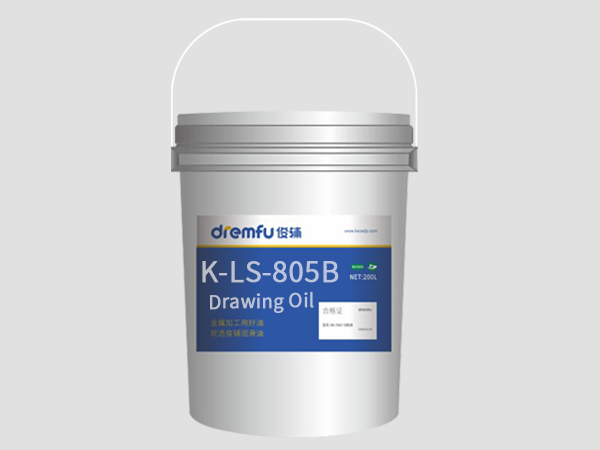
Aluminum wire Drawing Oil is a specialized lubricant used for drawing aluminum wire. It is generally formulated to provide suitable lubricity, cooling, contamination control, and surface protection during aluminum wire deformation.
Aluminum has relatively high ductility and is softer than many tooling materials. Under high contact pressure, aluminum can adhere to the surface of a drawing die. This phenomenon is often described as aluminum pickup or adhesive buildup.
A suitable aluminum wire drawing oil helps reduce the tendency of aluminum to adhere to the die while maintaining an effective lubrication film.
Depending on the application, the oil may be used for processes involving electrical aluminum wire, aluminum conductors, cable manufacturing, fine wire drawing, or other aluminum wire products.
Therefore:
Aluminum wire drawing oil = a specific type of wire drawing lubricant designed for aluminum applications.
Wire drawing lubricant = a broader category that includes lubricants used for aluminum and other metals.
The primary function of aluminum wire drawing oil is to reduce friction between the aluminum wire and drawing die.
When aluminum wire enters the die, the material undergoes plastic deformation as its cross-sectional area is reduced. This generates contact pressure and heat. The lubricant enters the contact zone and helps separate the wire surface from the die surface.
An effective lubricant can perform several functions simultaneously:
Reduce friction and drawing force
Control heat generated during deformation
Reduce die wear
Minimize aluminum pickup
Improve surface finish
Reduce the risk of wire breakage
Help remove metal fines and contaminants
Maintain stable drawing conditions
The actual lubrication regime depends on factors such as drawing speed, viscosity, reduction ratio, die geometry, wire diameter, temperature, and lubricant concentration.
For high-speed drawing, maintaining stable lubricant circulation and temperature control can become particularly important because excessive heat may accelerate lubricant oxidation and degradation.
The formulation of aluminum wire drawing oil depends on the required drawing conditions and performance targets.
A typical formulation may contain a base oil or carrier fluid together with several functional additives.
Common components can include:
Mineral base oils: These are petroleum-derived fluids that can provide lubrication and suitable viscosity for many industrial applications.
Synthetic base fluids: Synthetic components can be selected when improved thermal stability, oxidation resistance, or specific viscosity characteristics are required.
Fatty compounds: Certain fatty materials can improve lubricity and help establish a lubricating film under boundary lubrication conditions.
Extreme-pressure additives: These additives may help maintain lubrication under high contact pressure.
Anti-wear additives: They are used to reduce friction-related wear of tooling and other contacting surfaces.
Antioxidants: These help slow oxidation of the lubricant during long-term exposure to elevated temperatures and air.
Corrosion inhibitors: These components can help protect equipment and metal surfaces from corrosion.
The exact formulation is normally adjusted according to the aluminum alloy, drawing speed, wire diameter, reduction per pass, die material, and required surface quality.
The manufacturing process generally begins with selecting and preparing the appropriate base fluids. The base fluid provides the foundation for properties such as viscosity, lubricity, thermal stability, and oxidation resistance.
Selected additives are then incorporated according to the formulation. Controlled mixing is important because the additives need to be evenly distributed throughout the lubricant.
Depending on the formulation, the production process may involve:
Base oil preparation
Controlled heating
Additive blending
High-speed or controlled mixing
Homogenization
Filtration
Cooling
Quality inspection
Packaging
Quality control may include testing kinematic viscosity, density, flash point, acid value, moisture content, oxidation stability, and lubricating performance.
For industrial wire drawing, consistency between batches is important because changes in lubricant properties can influence drawing force, surface finish, die wear, and process stability.
Not necessarily. The more important question is whether the lubricant is correctly formulated for the specific drawing operation.
A general wire drawing lubricant may be suitable for certain aluminum applications if its formulation meets the required performance conditions. However, a lubricant specifically developed for aluminum wire drawing may offer advantages when aluminum pickup, surface quality, high-speed drawing, or specific alloy characteristics are important.
For example, aluminum wire can be sensitive to adhesive wear. If the lubricant does not provide sufficient film strength or appropriate surface interaction, aluminum can accumulate on the die.
Therefore, lubricant selection should consider the entire process rather than simply choosing the product with the most specific name.
One major advantage is its ability to provide lubrication specifically suited to aluminum wire deformation.
Properly selected aluminum wire drawing oil can help reduce friction and drawing force, which may improve process stability.
It can also help control the temperature generated during drawing. Temperature control is particularly important in continuous production because excessive heat can affect both lubricant performance and wire quality.
Another advantage is improved surface finish. A stable lubrication film can reduce scratches, scoring, and other surface defects caused by excessive friction or poor lubrication.
The lubricant can also help reduce die wear and aluminum buildup, potentially extending tooling service life.
For electrical aluminum wire, maintaining consistent surface and dimensional quality is especially important because the wire may subsequently undergo processes such as annealing, stranding, cleaning, or insulation.
Aluminum wire drawing oil also has limitations.
First, not every drawing oil is suitable for every aluminum alloy or drawing condition. A lubricant that performs well at one drawing speed or wire diameter may not provide the same results under different conditions.
Second, oil-based lubricants can accumulate metal fines, dust, and other contaminants during continuous operation. Without proper filtration, these contaminants may circulate through the system and affect surface quality.
Third, lubricant degradation can occur over time. Heat, oxidation, moisture, and contamination can change properties such as viscosity and lubricity.
Excessive foaming can also become a problem in some lubrication systems, particularly when circulation conditions or lubricant formulation are not properly controlled.
For these reasons, regular monitoring of lubricant condition, filtration, temperature, and contamination is an important part of wire drawing maintenance.
Not always.
Although both aluminum and copper are ductile metals that can be processed by wire drawing, their physical, mechanical, and tribological characteristics are different.
Aluminum is relatively soft and can be susceptible to adhesive material transfer. Copper has different hardness, thermal conductivity, surface characteristics, and deformation behavior.
As a result, a lubricant optimized for copper wire drawing may not provide optimal performance when used for aluminum wire.
Before using the same lubricant for both materials, manufacturers should consider factors such as:
Metal composition
Wire diameter
Drawing reduction
Drawing speed
Die material
Lubricant viscosity
Operating temperature
Surface-finish requirements
Filtration system
A lubricant compatibility test under actual production conditions is generally more reliable than selecting a lubricant based only on its general product category.
Aluminum wire drawing oil is commonly associated with manufacturing processes where aluminum wire is reduced to smaller diameters or specific cross-sectional dimensions.
Typical applications include:
Electrical wire manufacturing: Aluminum wire is used in various electrical and power transmission applications. Lubrication helps maintain dimensional consistency and surface quality during drawing.
Aluminum conductor production: Drawing lubricant supports stable processing of aluminum conductor materials used in cable and electrical applications.
Fine aluminum wire drawing: Fine wire production requires careful control of friction, die wear, heat generation, and surface defects.
Cable manufacturing: Aluminum wire may undergo multiple processing stages before stranding, insulation, or other downstream operations.
Different applications may require different lubricant properties. A high-speed fine-wire drawing process, for example, may have different lubrication requirements from a larger-diameter aluminum conductor operation.
Instead of choosing a lubricant simply because it is labeled “wire drawing lubricant,” manufacturers should evaluate whether the product matches their actual process.
Important factors include aluminum alloy, wire diameter, drawing speed, reduction ratio, die material, operating temperature, lubrication method, and required surface finish.
The lubricant's viscosity and additive system should also be considered. Excessively low viscosity may provide insufficient film strength under certain conditions, while excessively high viscosity can affect circulation and cooling.
Manufacturers should also consider maintenance requirements. A lubricant that works well but is difficult to filter or rapidly accumulates contaminants may create additional operational challenges.
Testing the lubricant under representative production conditions can help determine whether it provides the required balance of lubricity, cooling, surface quality, and service life.
So, is aluminum wire drawing oil the same as wire drawing lubricant?
Not exactly. Aluminum wire drawing oil is generally a specific type of wire drawing lubricant designed for aluminum wire drawing, while wire drawing lubricant is a broader term covering different lubricant systems used in wire drawing operations.
The difference matters because aluminum has unique deformation and tribological characteristics. A suitable lubricant must help control friction, heat generation, die wear, aluminum pickup, surface finish, and drawing stability.
The best choice depends on the actual manufacturing conditions, including aluminum alloy, wire diameter, drawing speed, reduction ratio, die material, temperature, and lubrication system.
By understanding the difference between these terms and evaluating lubricant performance under actual operating conditions, manufacturers can select a drawing lubricant that better matches their aluminum wire production process.

Dongguan Keze New Materials Co., Ltd. is a private science and technology enterprise integrating independent research and development, production, sales and service.
Copyright © 2026 Dongguan Keze New Materials Co., Ltd. All rights reserved.