

 English



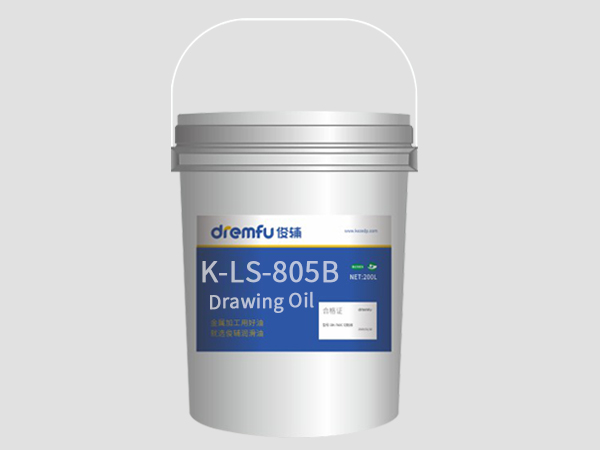
Drawing Oil is a specialized lubricant used in metal forming and drawing processes to reduce friction between a metal workpiece and the drawing die. It is widely used in wire drawing, tube drawing, deep drawing, rod drawing, and other metal forming operations. By creating a lubricating film between the material and tooling, Drawing Oil helps control friction, reduce heat generation, minimize die wear, improve surface finish, and maintain consistent product quality.
The specific formulation of Drawing Oil depends on the material being processed, the drawing speed, reduction ratio, tooling material, operating temperature, and required surface finish. Unlike general-purpose industrial lubricants, metal drawing lubricants are designed to withstand the high pressure and friction generated during plastic deformation.
How Does Drawing Oil Work?
The basic working principle of drawing oil is to form a lubricating film between the metal workpiece and the drawing die. During a drawing operation, a metal rod, wire, tube, or sheet is pulled through a die with a smaller opening. This process reduces the cross-sectional area of the material while increasing its length.
Without sufficient lubrication, the direct contact between the workpiece and die can generate considerable friction. High friction increases drawing force, produces heat, accelerates tool wear, and can cause scratches or other surface defects on the finished material.
Drawing oil reduces this direct metal-to-metal contact. Depending on the formulation and operating conditions, the lubricant may work through hydrodynamic lubrication, boundary lubrication, or a combination of both. Additives can also react with the metal surface to form a protective lubricating layer that remains effective under high pressure.
In wire drawing and tube drawing, effective lubrication can help maintain a stable drawing force and reduce the risk of surface damage. In deep drawing, the lubricant also helps the sheet metal flow smoothly into the die while reducing the possibility of galling, tearing, and excessive tool wear.
What Materials Are Used to Make Drawing Oil?
Drawing oil can be formulated from different base oils and performance additives. The exact formulation varies according to the application and the type of metal being processed.
Mineral Oil
Mineral oil is commonly used as a base fluid in many industrial drawing lubricants. It provides good lubricity and can offer a practical balance between performance and cost. Mineral oil-based formulations are often used in conventional metal forming and drawing applications.
Synthetic Base Oils
Synthetic oils may be selected when higher thermal stability, oxidation resistance, or longer service life is required. They can provide more consistent performance under demanding drawing conditions, particularly where drawing speeds or operating temperatures are relatively high.
Vegetable-Based Oils
Vegetable oils and other bio-based raw materials can also be used in metalworking lubricants. These materials generally offer good lubricity and are increasingly considered for applications where manufacturers want to reduce reliance on petroleum-based raw materials.
Performance Additives
Drawing oil may contain extreme-pressure additives, anti-wear additives, corrosion inhibitors, antioxidants, emulsifiers, and other formulation components. These additives are selected to improve load-carrying capacity, reduce tool wear, protect metal surfaces, and maintain lubricant stability during processing.
How Is Drawing Oil Manufactured?
The manufacturing process for drawing oil normally begins with the selection of an appropriate base oil. Manufacturers determine the required viscosity, lubricity, thermal stability, and compatibility based on the intended metal drawing application.
The selected base oils are then blended under controlled conditions. Additives are gradually introduced according to the formulation. Proper mixing is important because the additives must be distributed evenly throughout the lubricant to achieve consistent performance.
Depending on the product type, additional processing may include heating, filtration, homogenization, viscosity adjustment, and quality inspection. Finished drawing oil is typically tested for properties such as viscosity, appearance, flash point, corrosion protection, oxidation stability, and lubricating performance.
For specialized applications, manufacturers may develop different formulations for ferrous and non-ferrous metals. Copper, aluminum, steel, stainless steel, and other alloys can have different lubrication requirements, so one drawing oil formulation may not be suitable for every material.
What Are the Main Uses of Drawing Oil?
1. Wire Drawing
Wire drawing is one of the most common applications of drawing oil. During wire drawing, metal wire passes through one or more dies to reduce its diameter. Drawing oil helps reduce friction between the wire and die, control heat generation, and improve the surface quality of the finished wire.
In high-speed wire drawing operations, lubrication becomes particularly important because frictional heat can build up quickly. Proper lubrication can also help extend die life and reduce the possibility of wire breakage.
2. Tube Drawing
Tube drawing is used to reduce the diameter or wall thickness of metal tubes and improve dimensional accuracy. Drawing oil helps the tube move smoothly through the die and reduces friction between the outer surface of the tube and the tooling.
Depending on the tube drawing method, lubricant may also be required around internal tooling such as a mandrel or plug. The correct lubricant can contribute to better surface finish, dimensional consistency, and tool performance.
3. Rod Drawing
Metal rods are commonly drawn to achieve a smaller diameter and more precise dimensions. Drawing oil provides lubrication during the deformation process and helps reduce the drawing force required to pull the rod through the die.
For steel and other high-strength materials, the drawing load can be significant. An appropriate metal drawing lubricant helps reduce friction and supports stable production conditions.
4. Deep Drawing
Deep drawing is a sheet metal forming process used to manufacture products such as containers, automotive components, appliance parts, and other formed metal products. During deep drawing, a sheet blank is pressed into a die cavity by a punch.
A suitable deep drawing lubricant helps the sheet metal flow into the die while reducing friction at the contact surfaces. It can help minimize galling, scratches, tearing, and excessive die wear. Lubrication is particularly important when processing stainless steel, aluminum alloys, and other materials with challenging forming characteristics.
5. Copper and Aluminum Drawing
Drawing oils are also used for non-ferrous metals such as copper and aluminum. These materials are widely processed into electrical wires, cables, tubes, and precision components.
Because copper and aluminum have different surface characteristics and forming behavior from steel, the lubricant should be selected specifically for the material. The right formulation can help achieve a smooth surface while maintaining stable drawing performance.
Advantages of Using Drawing Oil
The main advantage of drawing oil is improved lubrication during metal forming. By reducing friction, drawing oil can provide several production benefits.
Reduced friction: A lubricating film reduces direct contact between the workpiece and tooling.
Lower drawing force: Reduced friction can decrease the force required to pull material through the die.
Improved surface finish: Effective lubrication helps minimize scratches, scoring, and other surface defects.
Reduced die wear: Lubrication helps protect drawing dies and other tooling from excessive friction and wear.
Better temperature control: Lower friction can reduce heat generation during high-speed drawing.
Improved dimensional consistency: Stable lubrication can contribute to more consistent production conditions.
Lower risk of material damage: Proper lubrication can reduce the possibility of galling, tearing, and surface cracking.
What Are the Disadvantages of Drawing Oil?
Although drawing oil provides important benefits, it also has some limitations. The most suitable product depends on the production process, material, and equipment.
Some oil-based lubricants can leave residues on the metal surface. If the finished product requires painting, coating, welding, plating, or another downstream process, cleaning may be necessary before the next manufacturing stage.
Lubricant contamination can also affect performance. Metal particles, dust, moisture, and other contaminants may reduce the effectiveness of the drawing oil and potentially damage tooling. For this reason, proper filtration, storage, and lubricant management are important in industrial production.
Another consideration is operating cost. A high-performance formulation may have a higher purchase price than a conventional lubricant, although improved die life, lower rejection rates, and better production efficiency can offset the initial cost.
How to Choose the Right Drawing Oil?
Selecting drawing oil should begin with the type of metal and drawing process. Steel, stainless steel, copper, aluminum, and specialty alloys may require different lubrication characteristics.
Manufacturers should also consider drawing speed, reduction per pass, die geometry, tooling material, operating temperature, and surface finish requirements. For high-speed applications, thermal stability and anti-wear performance may be especially important. For deep drawing, the lubricant should provide sufficient film strength to withstand high contact pressure.
Viscosity is another important factor. A lubricant that is too thin may not provide sufficient film strength, while one that is too viscous may affect material handling, application, or cleaning. The application method should also be considered, including flooding, spraying, brushing, or other lubrication systems.
Conclusion
Drawing oil is an important metalworking lubricant used to improve the performance of wire drawing, tube drawing, rod drawing, deep drawing, and other forming processes. Its primary function is to reduce friction and create a protective lubrication film between the metal workpiece and tooling.
By controlling friction and heat generation, drawing oil can help reduce drawing force, extend die life, improve surface finish, and maintain more consistent production quality. Different formulations may use mineral oils, synthetic oils, vegetable-based oils, and specialized additives depending on the application.
For manufacturers, choosing the right drawing oil requires consideration of the metal material, drawing process, reduction ratio, production speed, tooling, temperature, and required surface quality. When the lubricant is properly matched to the application, it can play an important role in improving both process efficiency and finished product quality.
Frequently Asked Questions About Drawing Oil
What is drawing oil used for?
Drawing oil is mainly used to lubricate metal during wire drawing, tube drawing, rod drawing, deep drawing, and other metal forming processes. It reduces friction, heat generation, tool wear, and surface damage.
Can drawing oil be used for wire drawing?
Yes. Wire Drawing Oil is specifically formulated to reduce friction between metal wire and drawing dies. It can help improve surface finish, reduce drawing force, control heat, and extend die life.
What is the difference between drawing oil and general-purpose lubricating oil?
Drawing oil is formulated specifically for high-pressure metal forming and drawing operations. Compared with general-purpose lubricants, it typically requires stronger film-forming, anti-wear, and extreme-pressure performance to withstand the conditions created during metal deformation.
Does drawing oil improve surface finish?
Yes. By reducing direct contact between the metal and die, an appropriate drawing lubricant can help minimize scratches, scoring, galling, and other surface defects, resulting in a smoother finished surface.