

 English


Blog

2026-09-03 12:00:05
Copper is widely used in electrical components, mechanical assemblies, plumbing systems, connectors, terminals, bearings, and industrial equipment because of its excellent electrical and thermal conductivity. However, copper surfaces can still experience friction, wear, oxidation, corrosion, and galling when they come into contact with other metal components.
Choosing the right lubricant for copper can reduce friction, protect the surface, improve assembly and disassembly, and extend component service life. The best lubricant depends on the application, operating temperature, electrical requirements, load, speed, and whether the copper surface needs to maintain electrical conductivity.
Common choices include silicone grease, synthetic lubricants, conductive grease, anti-seize compounds, and solid lubricants. For general copper-to-metal contact, a compatible grease or synthetic lubricant may be suitable. For electrical connectors and terminals, a specialized electrical contact lubricant or conductive grease is often a better choice.
The primary function of a lubricant is to reduce direct contact between two surfaces that move or press against each other. When copper components are subjected to sliding, rotation, vibration, or repeated assembly, microscopic surface irregularities can interact and generate friction and wear.
A lubricant creates a thin film between the copper surface and the mating material. Depending on the application, this can operate through several lubrication mechanisms, including boundary lubrication, mixed lubrication, and hydrodynamic lubrication.
In boundary lubrication, the lubricant forms a protective layer directly on the metal surface. This layer reduces metal-to-metal contact and helps prevent adhesive wear and galling. This mechanism is particularly important when components operate under high loads or low speeds.
Under hydrodynamic lubrication conditions, a continuous lubricant film separates the two surfaces. The moving components are effectively supported by the lubricant, significantly reducing friction. Mixed lubrication combines characteristics of both boundary and hydrodynamic lubrication.
For copper components, lubrication can also provide protection against oxidation and environmental corrosion. Copper naturally develops surface oxides when exposed to oxygen and moisture. In some applications, an appropriate lubricant can form a barrier that limits exposure to moisture, contaminants, and corrosive substances.
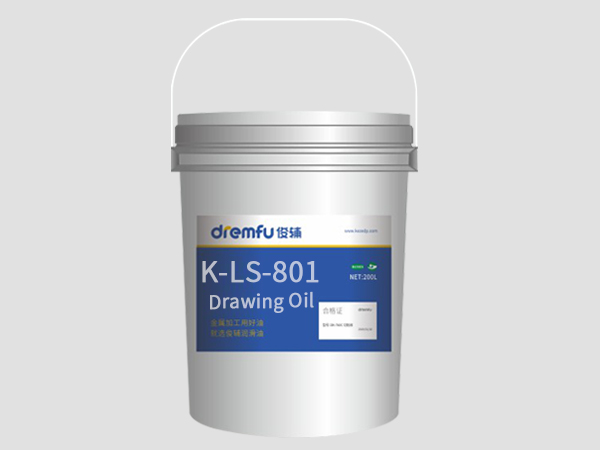
Copper-compatible lubricants are formulated from different base oils, thickeners, additives, and sometimes solid lubricants. The formulation determines the lubricant's viscosity, temperature resistance, load-carrying capability, electrical characteristics, and chemical compatibility.
Silicone grease is commonly used where water resistance, temperature stability, and material compatibility are important. Silicone-based formulations can provide a stable lubricating film and are often used for seals, electrical connectors, rubber components, and low-load mechanical applications.
One important consideration is that silicone grease is generally designed for lubrication and protection rather than for improving electrical conductivity. Therefore, it should not automatically be treated as a conductive grease.
Synthetic lubricants can provide excellent temperature stability, oxidation resistance, and long service life. Depending on the formulation, synthetic base oils such as PAO or synthetic ester fluids may be used in industrial lubrication systems.
These lubricants are useful for copper components exposed to changing temperatures, continuous operation, or demanding mechanical conditions. However, the compatibility of the lubricant with copper, seals, plastics, and other surrounding materials should be evaluated before use.
Conductive grease is specifically formulated for certain electrical and electronic applications. It may contain conductive particles or other functional additives designed to support electrical contact while providing lubrication and protection.
However, conductivity is highly formulation-dependent. Adding a lubricant to an electrical connection does not necessarily improve conductivity. The product must be specifically designed and tested for the intended electrical contact application.
Copper-based anti-seize compounds typically contain fine copper particles dispersed in a High-Temperature Grease or carrier. They are designed primarily to prevent thread seizure, galling, and cold welding during assembly and later disassembly.
These compounds are particularly useful for threaded fasteners, bolts, nuts, flanges, and other metal-to-metal connections exposed to high temperatures or heavy mechanical loads.
Solid lubricants such as graphite, molybdenum disulfide (MoS₂), and PTFE can be used when conventional liquid or grease lubrication is unsuitable. Solid lubricants can maintain lubricating performance under certain high-temperature, high-load, vacuum, or low-speed conditions.
The selection of a solid lubricant depends heavily on the operating environment. For example, graphite performs differently from PTFE or MoS₂ in terms of temperature resistance, load capacity, chemical compatibility, and electrical behavior.
The manufacturing process depends on whether the product is a grease, oil, anti-seize compound, or solid lubricant. A typical industrial grease formulation begins with the selection of a suitable base oil. The base oil provides the primary lubrication function and influences viscosity and temperature performance.
A thickener is then incorporated to convert the fluid base oil into a semi-solid grease. Common thickener systems include lithium soap, lithium complex, calcium sulfonate complex, polyurea, and other specialized materials.
Additives may then be introduced to improve specific properties. These can include anti-wear additives, corrosion inhibitors, oxidation inhibitors, extreme-pressure additives, rust inhibitors, tackifiers, and solid lubricants.
For copper anti-seize products, fine copper powder may be carefully dispersed throughout the carrier system. Particle size, dispersion quality, concentration, and oxidation resistance can all influence the final product's performance.
After mixing, the lubricant may undergo homogenization, milling, filtration, deaeration, and quality-control testing. Important tests can include worked penetration, dropping point, oil separation, corrosion performance, water resistance, friction characteristics, and high-temperature stability.
Using a suitable lubricant can provide several benefits for copper components and assemblies.
Reduced friction: A lubricant film minimizes direct surface contact and lowers friction between copper and mating materials.
Reduced wear: Lubrication can reduce adhesive wear, abrasive wear, and surface damage during repeated movement.
Protection against oxidation: Some formulations create a barrier against oxygen, moisture, and contaminants.
Improved assembly: Lubricants and anti-seize compounds can make threaded copper or metal assemblies easier to install and remove.
Improved service life: Reduced friction, wear, and corrosion can help extend component operating life.
Temperature resistance: Specialized synthetic greases and anti-seize compounds can operate across broad temperature ranges.
Vibration protection: Certain lubricants can help protect contacting surfaces subjected to vibration and repeated mechanical movement.
Although lubrication offers many benefits, not every lubricant is suitable for every copper application. An incorrect formulation can create new problems.
One major consideration is electrical conductivity. Copper is highly conductive, but a thick insulating grease layer between electrical contact surfaces may increase contact resistance if the lubricant is not designed for that purpose.
Another consideration is chemical compatibility. Some lubricants may interact with rubber seals, plastics, coatings, or nearby metals. Copper can also be sensitive to certain chemical environments, so the lubricant's additive package should be evaluated carefully.
Excessive lubricant can also attract dust and other contaminants, especially in exposed mechanical assemblies. In high-speed applications, a lubricant with excessive viscosity may increase drag and heat generation.
For these reasons, lubricant selection should consider the complete operating environment rather than simply choosing a product labeled “for copper.”
Copper-compatible lubricants are used across a wide range of industries and applications.
Electrical connectors, copper terminals, battery connections, and contact assemblies may require specialized contact lubricants. The primary goals are usually to reduce fretting wear, protect against oxidation and moisture, and maintain reliable electrical performance.
Copper threads and copper-alloy fasteners can benefit from anti-seize compounds where galling or seizure is a concern. This is especially relevant during repeated assembly and disassembly.
Copper alloys such as bronze and brass are commonly used in bushings and bearing components. Appropriate oils or greases can reduce friction and wear between the bearing surface and shaft.
Copper and copper-alloy components are found in electrical systems, motors, generators, heat exchangers, valves, pumps, and industrial machinery. Depending on the operating conditions, synthetic grease, anti-seize compounds, or specialized Industrial Lubricants may be selected.
Lubricants can also be used during the installation of copper pipes, fittings, valves, seals, and threaded components. In these applications, compatibility with potable water systems, elastomers, and sealing materials may be important.
The best lubricant should be selected according to the actual operating conditions rather than copper alone. Start by identifying whether the application is primarily mechanical lubrication, electrical contact protection, anti-seize protection, or corrosion protection.
For mechanical applications, consider load, speed, temperature, friction, wear, and lubricant viscosity. For electrical applications, evaluate contact resistance, dielectric properties, conductivity requirements, fretting corrosion, moisture exposure, and connector design.
Temperature is another critical factor. A lubricant suitable for room-temperature equipment may degrade rapidly in a high-temperature industrial environment. Similarly, outdoor equipment may require excellent water resistance and corrosion protection.
Material compatibility should also be checked when copper is used together with aluminum, steel, brass, bronze, stainless steel, plastics, or rubber seals. A lubricant that performs well on copper alone may not be suitable for the complete assembly.
| Application | Common Lubricant Type | Key Considerations |
|---|---|---|
| Copper threads | Anti-seize compound | Galling, seizure, temperature |
| Electrical connectors | Contact lubricant or conductive grease | Contact resistance, oxidation, moisture |
| Copper/bronze bushings | Industrial oil or grease | Load, speed, wear, viscosity |
| High-temperature assemblies | High-temperature synthetic grease or anti-seize | Thermal stability, oxidation resistance |
| Outdoor copper components | Water-resistant protective lubricant | Moisture, corrosion, contamination |
There is no single lubricant that is ideal for every copper application. A good copper lubricant should match the specific requirements of the component, including friction, load, temperature, electrical conductivity, corrosion exposure, movement, and material compatibility.
For general mechanical applications, synthetic oils and greases can provide effective friction and wear control. For threaded connections exposed to high loads or temperature, a copper-based anti-seize compound can help prevent seizure and galling. For electrical connectors and terminals, a purpose-designed electrical contact lubricant or conductive grease should be considered instead of using a conventional mechanical grease.
The key is to select the lubricant based on the working conditions and required performance, not simply the fact that the component is made from copper. Proper lubricant selection, application amount, and maintenance can significantly improve the reliability and service life of copper components.

Dongguan Keze New Materials Co., Ltd. is a private science and technology enterprise integrating independent research and development, production, sales and service.
Copyright © 2026 Dongguan Keze New Materials Co., Ltd. All rights reserved.