

 English


Blog

2026-08-14 15:25:53
Choosing the right Hydraulic Oil comes down to three factors: viscosity grade, base oil type, and your equipment's operating environment. Using the wrong viscosity can cause sluggish response, excess heat, or pump wear, while the wrong base oil type — mineral versus synthetic or fire-resistant — can leave your system vulnerable to fire risk or poor cold-weather performance. This guide walks through how to match Hydraulic Oil to your machinery so you avoid costly downtime and premature component wear.
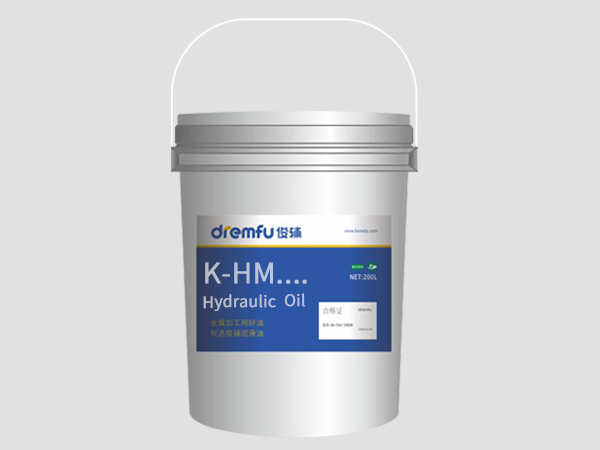
Viscosity determines how well hydraulic oil flows through pumps, valves, and cylinders at operating temperature. Too thin, and the oil can't maintain a protective film between moving parts, leading to metal-on-metal wear. Too thick, and the pump has to work harder to circulate the fluid, wasting energy and generating excess heat. Hydraulic oil viscosity is standardized under the ISO VG (Viscosity Grade) system, measured in centistokes at 40°C.
| ISO VG Grade | Typical Use Case | Operating Environment |
|---|---|---|
| ISO VG 32 | Light-duty hydraulic systems, indoor equipment | Stable, moderate-temperature environments |
| ISO VG 46 | General industrial machinery, most common grade | Standard factory/workshop conditions |
| ISO VG 68 | Heavy-duty systems, high-load presses and injection molding | Warmer operating environments, higher system pressure |
| ISO VG 100 | Very heavy-duty, high-temperature industrial equipment | Hot climates or continuous high-temperature operation |
Always check your equipment manufacturer's specification first — using a viscosity grade outside the recommended range, even by one step, can shorten pump life significantly over time.
Beyond viscosity, the base oil type affects safety, temperature range, and environmental impact:
Mineral-based hydraulic oil: the standard choice for most general industrial applications — cost-effective, widely available, and suitable for systems without elevated fire risk
Synthetic fire-resistant hydraulic oil: formulated with a synthetic base oil structure plus extreme pressure additives and antioxidants; offers a lower pour point, higher flash point, and non-toxic, biodegradable performance — the safer choice for equipment operating near heat sources, open flames, or in enclosed spaces where fire risk is a concern
Not sure which base oil type fits your equipment's fire safety requirements? Tell us your machine type and operating environment, and we'll recommend the right grade within 24 hours.
Ambient temperature: colder environments call for lower-viscosity grades to maintain proper flow at startup; hotter environments need higher viscosity to prevent the film from thinning out under heat
System pressure: high-pressure hydraulic systems (presses, injection molding machines) typically require higher viscosity and stronger anti-wear additive packages
Fire risk exposure: equipment near welding stations, furnaces, or foundry operations should use fire-resistant synthetic hydraulic oil rather than standard mineral oil
Duty cycle: continuous heavy-duty operation generates more heat and benefits from oils with strong oxidation resistance to prevent sludge buildup
Monitor oil condition regularly for contamination, water ingress, and viscosity drift rather than relying on a fixed replacement schedule alone
Keep hydraulic reservoirs sealed and filtered to prevent particulate contamination, which is one of the leading causes of pump and valve wear
Watch for signs of degradation such as darkening color, unusual odor, or foaming, which indicate the oil needs replacement or the system needs servicing
Store unused hydraulic oil in a sealed, temperature-stable environment to prevent oxidation before use
Need a Custom Hydraulic Oil formulation for a specific machine type or industry? Send us your system specifications and we'll propose a solution tailored to your operating conditions.
Check your equipment manufacturer's specification sheet or nameplate first — it typically lists the recommended ISO VG grade. If unavailable, ISO VG 46 is the most common general-purpose grade for standard industrial hydraulic systems operating at moderate temperatures.
Standard mineral-based hydraulic oil can ignite under high heat or pressure exposure, particularly in the form of a fine mist near open flames or hot surfaces. For equipment operating in fire-risk environments, fire-resistant synthetic hydraulic oil is formulated with a higher flash point specifically to reduce this risk.
The terms are often used interchangeably. "Hydraulic fluid" is the broader category, which can include water-based, mineral-based, or synthetic formulations. "Hydraulic oil" typically refers specifically to petroleum or synthetic oil-based hydraulic fluids, which is the most common type in industrial machinery.
Change intervals depend on operating conditions, contamination levels, and oil quality rather than a fixed timeline alone. Regular oil analysis for viscosity, water content, and particulate levels gives a more accurate picture than calendar-based replacement, and can help avoid both premature changes and extended use of degraded oil.

Dongguan Keze New Materials Co., Ltd. is a private science and technology enterprise integrating independent research and development, production, sales and service.
Copyright © 2026 Guangdong Junfu Lubrication Technology Co., Ltd. All rights reserved.